
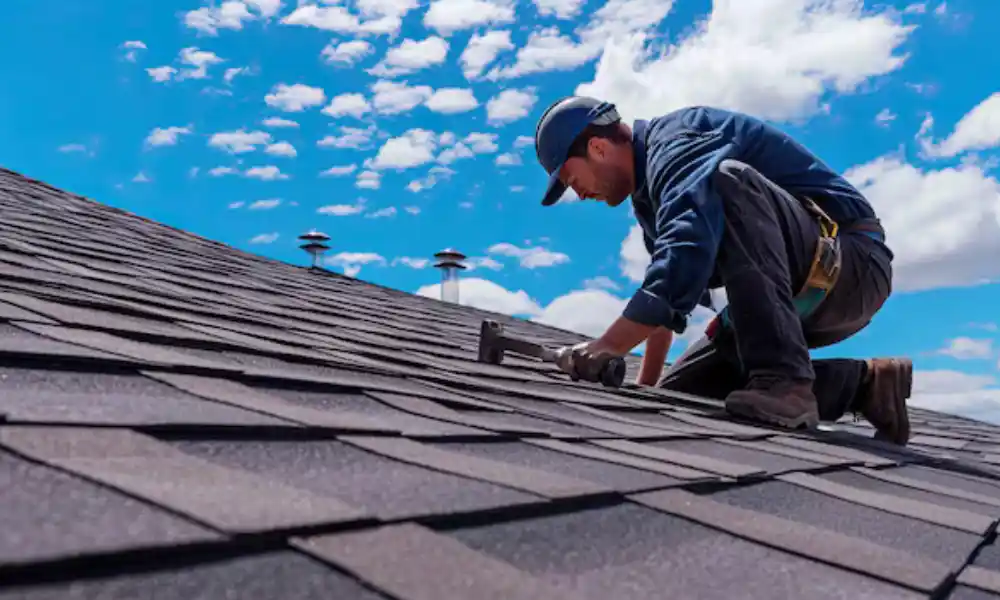
Roof replacement stands among the most important decisions a homeowner makes for property protection. A new roofing system guards against moisture, structural decay, and costly interior repairs caused by leaks. Every home requires specific material choices and installation methods based on age, design, and ventilation needs.
Many price variations occur when estimating the average cost to tear off and replace a roof because each structure demands unique work. Roofers evaluate surface condition, slope, decking strength, and local building requirements before preparing a quote. This article explains the main factors that influence the total price of a roof replacement.
Roof Size and Structural Requirements
Larger roofs require more materials, more manpower, and additional time for complete removal and installation. Every square foot increases the number of shingles, fasteners, underlayment, and disposal materials needed. The scale of the project directly influences the investment required.
Decking beneath the surface sometimes requires repairs before new material can be installed. Rot, mold growth, and weakened boards create unsafe conditions that reduce lifespan and stability. Homes with extensive damage pay more because foundational repairs must be completed first.
Material Choices That Change Pricing
Roofing materials vary in durability, weight, and installation difficulty. Asphalt remains popular because it provides dependable protection at a moderate cost. Metal, tile, slate, and premium shingles increase the price due to longer lifespans and specialized installation approaches.
Certain products require reinforced decking or additional framing support. Tile and slate weigh significantly more than basic shingles, adding structural demands to the project. Premium systems increase expense because installation takes more skill and precision. Homes that select upgraded products receive longer-lasting performance at a higher initial price.
Roof Pitch and Design Complexity
Steeper roofs increase safety challenges and take longer to complete. Sloped angles limit how workers move across surfaces and require additional support equipment. Extra precautions extend the time spent on installation and removal, increasing the labor charges. The difficulty of safe movement contributes heavily to the total project cost.
They contain valleys, dormers, skylights, and intersecting slopes that require more flashing, cutting, and sealing. These areas create vulnerable spots that need tight waterproofing and precise workmanship. Complex shapes demand more attention than flat or simple surfaces, adding hours and higher material usage.
Removal and Disposal Requirements
Roof replacement begins with a complete tear-off of existing layers. Some homes contain more than one shingle layer from previous installations, which increases the workload immediately. Extra layers take more time to strip away and produce larger amounts of waste.
Disposal procedures must follow local rules, and some regions charge higher dumping fees. Crews also take care to protect driveways, landscaping, and siding while removing debris. Those precautions require additional labor and time. Careful handling helps avoid property damage that would otherwise increase project expenses.
Labor Expertise and Permit Requirements
Experienced roofers bring advanced installation skills, which reduces the risk of future damage and costly repairs. Professional workmanship improves ventilation, flashing performance, and water resistance throughout the structure. Labor charges reflect the quality of craftsmanship along with regional wage expectations. Better training produces longer-lasting systems.
Local regulations sometimes require permits for full replacements. Permit fees vary by city and ensure compliance with building codes that protect structural safety. Inspections confirm that tops meet minimum standards for decking, ventilation, and materials. Compliance costs influence the final price of any new top installation.
Roof replacement pricing reflects factors such as roof size, structural condition, and professional labor. The average cost to tear off and replace a roof depends on these combined influences, which makes professional evaluation essential for fair pricing. Clear estimates ensure homeowners receive durable results without paying for unnecessary work or hidden expenses.
